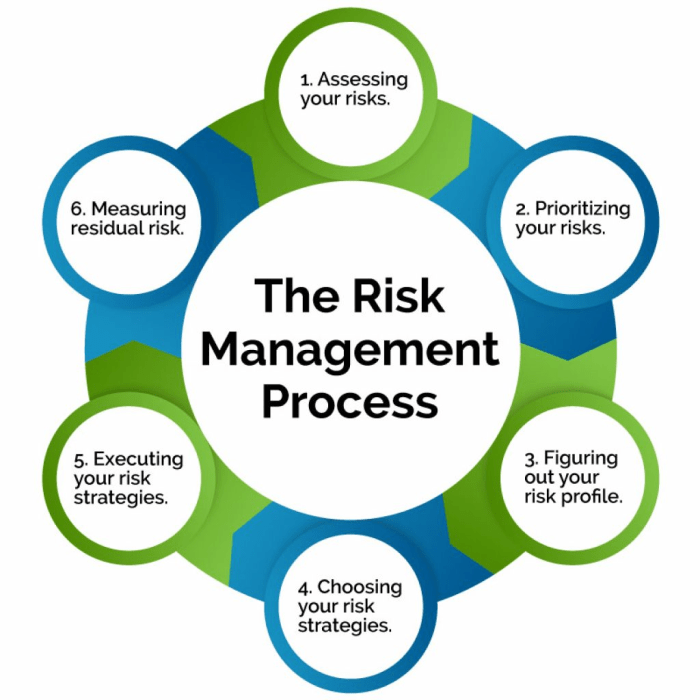
Embarking on a journey through the realm of Risk management strategies, we delve into the intricacies of assessing, managing, and tolerating risks in the dynamic landscape of business operations.
Exploring the nuances of risk assessment, risk management, risk tolerance, and the implementation of strategies, we uncover key insights essential for organizational resilience and growth.
Risk Assessment
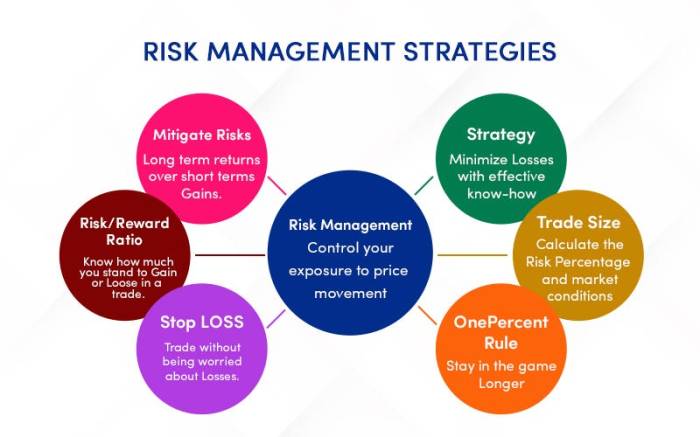
Risk assessment is a crucial step in the process of risk management strategies. It involves identifying, analyzing, and evaluating potential risks that could impact a project, organization, or business. By conducting a thorough risk assessment, stakeholders can better understand the risks they face and make informed decisions on how to mitigate or manage these risks effectively.
Importance of Risk Identification and Analysis
Risk identification is the first step in the risk assessment process. It involves identifying all possible risks that could affect the project or organization. This step is crucial as it helps stakeholders understand the full scope of potential risks and their potential impact. Without proper risk identification, it is impossible to develop effective risk management strategies.Risk analysis, on the other hand, involves assessing the likelihood and impact of each identified risk.
This step helps stakeholders prioritize risks based on their severity and develop appropriate responses. By analyzing risks, stakeholders can focus their resources on managing the most critical risks that could have the greatest impact on the project or organization.
Tools and Techniques for Risk Assessments
SWOT Analysis
A strategic planning tool that helps identify strengths, weaknesses, opportunities, and threats related to a project or organization.
Root Cause Analysis
A technique used to identify the underlying causes of risks and develop effective solutions.
Delphi Technique
A method for gathering expert opinions to reach a consensus on potential risks and their impact.
Checklists
A simple yet effective tool for systematically identifying and evaluating risks based on predefined criteria.
Probability and Impact Matrix
A tool for assessing risks based on their likelihood and potential impact on project objectives.By utilizing these tools and techniques, stakeholders can conduct comprehensive risk assessments to ensure that all potential risks are identified, analyzed, and appropriately managed. This proactive approach helps organizations mitigate potential threats and seize opportunities for success.
Risk Management
Risk management is the process of identifying, assessing, and prioritizing risks in order to minimize, monitor, and control the impact of uncertain events on an organization’s objectives. It is a crucial aspect of business operations as it helps in making informed decisions, improving performance, and ensuring the sustainability of the business.
Types of Risk Management Strategies
Risk management strategies can be categorized into four main types: risk avoidance, risk reduction, risk transfer, and risk acceptance. Each strategy aims to address risks in different ways to protect the organization from potential harm and losses.
- Risk Avoidance: This strategy involves eliminating activities or processes that pose a high level of risk to the organization. For example, a company may choose to avoid entering a risky market or stop offering a particular product/service that is causing significant losses.
- Risk Reduction: Risk reduction focuses on taking actions to minimize the likelihood or impact of risks. This can include implementing safety measures, conducting regular audits, or diversifying investments to spread risk.
- Risk Transfer: Risk transfer involves shifting the financial consequences of a risk to another party. This can be done through insurance policies, contracts, or outsourcing certain activities to third-party vendors who are better equipped to handle the risk.
- Risk Acceptance: In some cases, organizations may choose to accept certain risks if the cost of mitigation outweighs the potential impact. This strategy involves acknowledging the risk and preparing to deal with the consequences if they occur.
Real-World Examples of Successful Risk Management Strategies
| Organization | Risk Management Strategy | Outcome |
|---|---|---|
| Apple Inc. | Risk Reduction | Apple implemented strict quality control measures in its supply chain to reduce the risk of product defects and recalls, leading to improved customer satisfaction and brand loyalty. |
| Walt Disney Company | Risk Transfer | Disney transferred the risk of weather-related disruptions at its theme parks to insurance companies, allowing the company to maintain operations and revenue even during unforeseen circumstances. |
| Amazon.com | Risk Avoidance | Amazon decided to avoid the risk of data breaches by investing heavily in cybersecurity measures and ensuring customer data protection, safeguarding its reputation and trust among users. |
Risk Tolerance
Risk tolerance refers to the level of risk an organization is willing to accept in pursuit of its objectives. It plays a crucial role in developing effective risk management strategies as it helps organizations determine the acceptable level of risk exposure they are willing to take on.
Variability of Risk Tolerance
Different industries and organizations have varying levels of risk tolerance based on factors such as their business model, financial stability, regulatory environment, and risk appetite. For example, industries like finance and healthcare may have low risk tolerance due to the high stakes involved, while tech startups might have a higher risk tolerance to foster innovation and growth.
Determining Risk Tolerance Levels
Organizations can determine their risk tolerance levels by conducting risk assessments, considering their risk appetite, financial capacity, strategic objectives, and regulatory requirements. They can also use risk tolerance frameworks and tools to quantify and measure their risk tolerance levels accurately.
Implementation of Risk Management Strategies
Implementing risk management strategies within an organization involves a series of steps to ensure effective identification, assessment, and mitigation of potential risks.
Steps Involved in Implementing Risk Management Strategies
- Establishing a risk management framework: Define the objectives, scope, and responsibilities related to risk management within the organization.
- Identifying and assessing risks: Conduct a thorough risk assessment to identify potential risks and their potential impact on the organization.
- Developing risk mitigation strategies: Create strategies to address and mitigate the identified risks, prioritizing them based on their likelihood and impact.
- Implementing risk controls: Put in place controls and measures to minimize the likelihood of risks occurring and reduce their impact if they do occur.
- Monitoring and reviewing: Continuously monitor the effectiveness of the risk management strategies and adjust them as needed based on changing circumstances.
Challenges Faced During Implementation Phase and How to Overcome Them
- Resistance to change: Encountering resistance from employees who are not accustomed to new risk management processes. Overcome by providing training and clear communication about the benefits of risk management.
- Lack of resources: Limited budget or expertise to implement comprehensive risk management strategies. Address by prioritizing risks and focusing on the most critical areas first.
- Inadequate communication: Poor communication leading to misunderstandings and ineffective implementation of risk management strategies. Improve communication channels and ensure all stakeholders are informed and involved.
Best Practices for Monitoring and Evaluating the Effectiveness of Risk Management Strategies
- Establish key performance indicators (KPIs) to measure the success of risk management strategies.
- Regularly review and update risk registers to ensure all potential risks are being addressed.
- Conduct periodic risk assessments to identify new risks and evaluate the effectiveness of existing risk management strategies.
- Engage stakeholders at all levels in the monitoring and evaluation process to ensure buy-in and support for risk management initiatives.
In conclusion, the art of risk management strategies unveils a tapestry of methodologies, challenges, and triumphs that shape the business world, emphasizing the critical importance of proactive risk mitigation for sustainable success.
Essential Questionnaire
What are some common tools for conducting risk assessments?
Common tools include SWOT analysis, Monte Carlo simulation, and decision trees.
How can organizations determine their risk tolerance levels?
Organizations can determine risk tolerance by assessing their financial capabilities, industry standards, and risk appetite.


