
Data-driven risk management tools set the stage for this enthralling narrative, offering readers a glimpse into a story that is rich in detail and brimming with originality from the outset. In today’s data-driven world, the use of advanced tools is crucial for effective risk management in organizations of all sizes.
Introduction to Data-driven Risk Management Tools
Data-driven risk management tools are software applications or platforms that utilize data analytics and algorithms to identify, assess, and mitigate potential risks within an organization. These tools enable businesses to make informed decisions based on data insights rather than relying solely on intuition or past experiences.
Importance of Using Data in Risk Management
Integrating data into risk management processes is crucial as it provides a more accurate and comprehensive view of potential risks. By analyzing historical data, current trends, and predictive analytics, organizations can proactively identify and address risks before they escalate into significant issues. Data-driven risk management also allows for real-time monitoring and continuous improvement of risk assessment strategies.
How Data-driven Tools Enhance Risk Assessment Processes
- Data-driven risk management tools automate the collection and analysis of vast amounts of data, enabling organizations to identify patterns, trends, and anomalies that may indicate potential risks.
- These tools enhance risk assessment processes by providing predictive modeling capabilities, allowing organizations to forecast potential risks and their impact on business operations.
- By leveraging machine learning algorithms, data-driven tools can continuously learn and adapt to evolving risk landscapes, improving the accuracy and efficiency of risk assessments over time.
- Integration with external data sources such as market trends, regulatory changes, and industry benchmarks further enriches risk assessment capabilities, enabling organizations to stay ahead of emerging risks.
Risk Assessment with Data-driven Tools
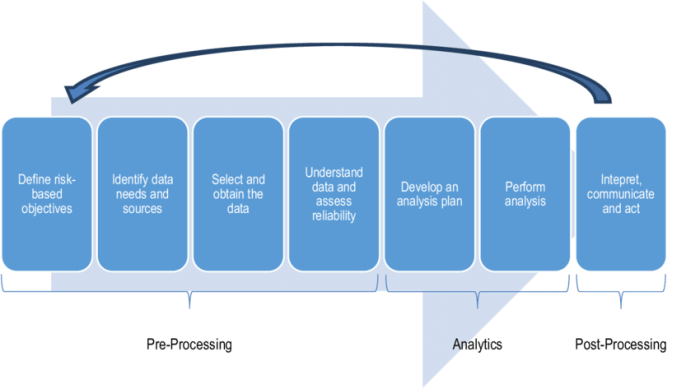
Data-driven tools play a crucial role in identifying potential risks by analyzing vast amounts of data to uncover patterns and trends that may indicate areas of concern. These tools allow organizations to make informed decisions based on data rather than intuition or guesswork.
Examples of Data Points Used in Risk Assessment
- Historical financial data
- Operational metrics
- Market trends
- Customer feedback and complaints
- Employee turnover rates
These data points provide valuable insights into the overall health and potential risks within an organization, helping stakeholders to proactively address any issues that may arise.
The Role of Predictive Analytics in Risk Assessment
Predictive analytics utilizes historical data and statistical algorithms to forecast future outcomes and trends. In risk assessment, this technique can help in predicting potential risks based on past patterns and behaviors. By analyzing data using predictive analytics, organizations can identify and mitigate risks before they escalate into major issues, ultimately improving decision-making processes and overall risk management strategies.
Risk Management Strategies
Data-driven tools play a crucial role in developing effective risk management strategies by providing organizations with valuable insights and actionable data. These tools enable businesses to identify potential risks, assess their impact, and implement appropriate mitigation measures to minimize the likelihood of negative outcomes.
Utilizing Data-driven Tools for Risk Mitigation
- Utilizing historical data to identify patterns and trends that may indicate potential risks in the future.
- Using predictive analytics to forecast potential risks and develop proactive strategies to mitigate them before they escalate.
- Implementing real-time monitoring and analysis to detect and respond to emerging risks promptly.
- Leveraging machine learning algorithms to automate risk assessment processes and improve the accuracy of risk predictions.
Impact of Real-time Data Analysis on Risk Management Decisions
Real-time data analysis has revolutionized the way organizations manage risks by providing timely and accurate information to make informed decisions. By continuously monitoring key metrics and performance indicators in real-time, businesses can quickly identify deviations from expected outcomes and take immediate corrective actions to mitigate potential risks. This proactive approach allows companies to stay ahead of potential threats and minimize the impact of adverse events on their operations.
Risk Tolerance and Data-driven Approaches
Risk tolerance refers to the level of risk that an organization is willing to accept or take on in pursuit of its objectives. In the context of data-driven risk management, risk tolerance is crucial as it helps organizations understand the amount of risk they are comfortable with and can afford to bear.
Role of Data-driven Tools in Determining Risk Tolerance Levels
Data-driven tools play a vital role in helping organizations determine their risk tolerance levels by providing accurate and real-time data insights. These tools analyze historical data, current market trends, and other relevant information to assess the potential risks associated with specific actions or decisions.
- Data-driven tools can quantify risks: By analyzing data, these tools can quantify the level of risk associated with different scenarios, allowing organizations to make informed decisions based on their risk tolerance levels.
- Help in scenario analysis: Data-driven tools enable organizations to simulate various scenarios and assess the impact of different risk levels on their objectives. This helps in setting appropriate risk tolerance thresholds.
- Provide predictive analytics: By using predictive analytics, data-driven tools can forecast potential risks and their likelihood, allowing organizations to adjust their risk tolerance levels accordingly.
Data-driven tools provide organizations with a clearer understanding of their risk exposure, helping them make strategic decisions aligned with their risk tolerance levels.
Relationship Between Data-driven Insights and Setting Risk Tolerance Thresholds
Data-driven insights play a crucial role in setting risk tolerance thresholds as they provide organizations with a comprehensive view of potential risks and their implications. By leveraging data-driven tools, organizations can establish risk tolerance thresholds that align with their overall risk management strategies and objectives.
- Identifying key risk indicators: Data-driven insights help organizations identify key risk indicators that are crucial in determining risk tolerance thresholds. By monitoring these indicators, organizations can adjust their risk tolerance levels proactively.
- Continuous risk monitoring: Data-driven tools enable organizations to continuously monitor risks and assess their impact on the business. This ongoing evaluation helps in refining risk tolerance thresholds based on changing market conditions and internal factors.
- Enhanced risk assessment: Through data-driven approaches, organizations can conduct more accurate and detailed risk assessments, allowing them to set risk tolerance thresholds that are aligned with their risk appetite and overall business objectives.
In conclusion, data-driven risk management tools play a vital role in helping organizations identify, assess, and mitigate risks effectively. By harnessing the power of data and analytics, businesses can make informed decisions that safeguard their operations and ensure long-term success.
FAQs
How do data-driven tools enhance risk assessment processes?
Data-driven tools enhance risk assessment processes by analyzing vast amounts of data to identify potential risks, trends, and patterns that may not be apparent through traditional methods.
What is the role of predictive analytics in risk assessment?
Predictive analytics uses historical data and statistical algorithms to forecast future outcomes, helping organizations anticipate risks and take proactive measures to mitigate them.
How can data-driven tools assist in developing risk management strategies?
Data-driven tools assist in developing risk management strategies by providing valuable insights, identifying vulnerabilities, and suggesting proactive measures to address potential risks effectively.


