Delve into the realm of ISO 31000 risk management with a comprehensive understanding that promises an enlightening journey for readers.
Learn about the fundamental principles, key frameworks, and practical benefits of implementing ISO 31000 within organizational settings.
Overview of ISO 31000 Risk Management
ISO 31000 is an international standard that provides guidelines and principles for effective risk management within organizations. It aims to help organizations identify, assess, and manage risks in a systematic and structured manner, ultimately improving decision-making processes and overall performance.
Purpose and Scope of ISO 31000
ISO 31000 is designed to be applicable to all types of organizations, regardless of their size, industry, or sector. It provides a common framework and process for managing risks, helping organizations develop a risk management strategy that aligns with their objectives and values.
- ISO 31000 emphasizes the importance of integrating risk management into the organization’s overall governance and management structure.
- It promotes a proactive approach to risk management, focusing on identifying opportunities as well as potential threats.
- The standard helps organizations establish a risk management framework that is tailored to their specific needs and context.
Key Principles and Framework of ISO 31000
ISO 31000 is built on the following key principles:
Risk management should be integrated into the organization’s processes and practices.
Risk management is an essential part of decision-making and should be an ongoing process.
Risk management should be customized to the organization’s external and internal context.
The framework provided by ISO 31000 includes:
- Establishing the context: Understanding the internal and external factors that can impact the organization’s objectives.
- Identifying risks: Recognizing potential events that could affect the achievement of objectives.
- Assessing risks: Evaluating the likelihood and impact of identified risks.
- Treating risks: Developing and implementing risk treatment plans to mitigate or eliminate risks.
- Monitoring and review: Continuously monitoring and reviewing the effectiveness of risk management processes.
Benefits of Implementing ISO 31000
Implementing ISO 31000 can bring several advantages to organizations:
- Enhanced decision-making: By having a structured approach to risk management, organizations can make informed decisions that consider potential risks and opportunities.
- Improved performance: Effective risk management can lead to better operational efficiency, increased stakeholder confidence, and overall improved performance.
- Strategic alignment: ISO 31000 helps organizations align their risk management strategy with their strategic objectives, ensuring a cohesive approach to risk management across all levels.
- Enhanced resilience: By identifying and addressing risks proactively, organizations can increase their resilience to potential threats and uncertainties.
Risk Assessment
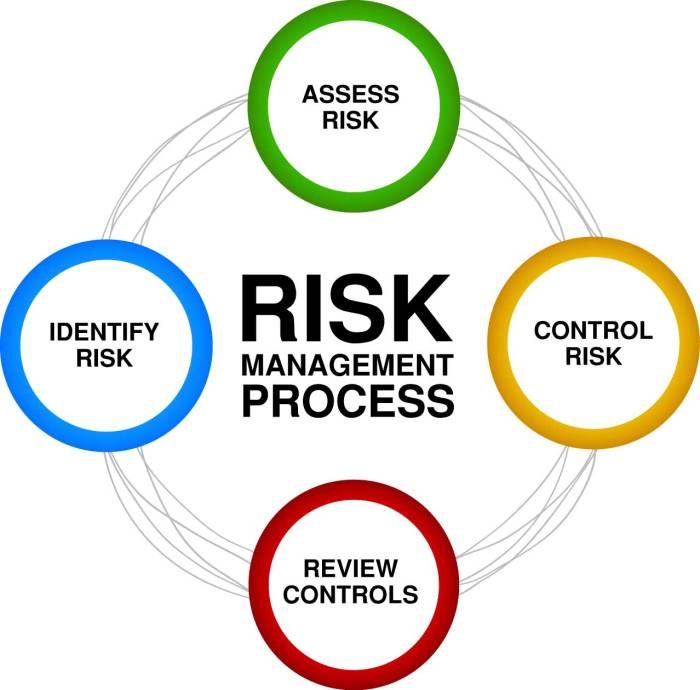
Risk assessment in the context of ISO 31000 involves the systematic process of identifying, analyzing, and evaluating risks to determine their potential impact on an organization’s objectives. It is a crucial step in the risk management process to make informed decisions and take appropriate actions to mitigate risks.
Process of Conducting a Risk Assessment
Risk assessment according to ISO 31000 typically involves the following steps:
- Identifying risks: This step involves identifying internal and external risks that could affect the organization’s objectives.
- Analyzing risks: Once identified, risks are analyzed to understand their nature, causes, and potential consequences.
- Evaluating risks: Risks are then evaluated based on their likelihood of occurrence and potential impact on the organization.
- Treating risks: After evaluation, appropriate risk treatment strategies are implemented to manage or mitigate risks.
Tools and Techniques Used in Risk Assessment
Risk assessment under ISO 31000 may utilize various tools and techniques, including:
- SWOT analysis: Assessing strengths, weaknesses, opportunities, and threats to identify internal and external risks.
- Scenario analysis: Evaluating different scenarios to assess the impact of various risks on the organization.
- Failure Mode and Effect Analysis (FMEA): Systematically identifying potential failures and their effects to prioritize risks.
- Risk matrix: Using a matrix to visualize and prioritize risks based on their likelihood and impact.
Risk Management
Risk management is a crucial aspect of organizational governance and decision-making, aimed at identifying, assessing, and prioritizing risks to minimize their impact on achieving objectives. In accordance with ISO 31000 standards, risk management provides a systematic approach to understanding, evaluating, and addressing potential risks that may affect the organization’s ability to meet its goals.
Components of an Effective Risk Management Plan
An effective risk management plan typically consists of the following key components:
- Establishing the context: This involves defining the scope, objectives, and criteria for risk management within the organization.
- Identifying risks: The process of systematically identifying potential risks that could impact the achievement of objectives.
- Assessing risks: Evaluating the likelihood and potential impact of identified risks to prioritize them for further action.
- Treating risks: Developing and implementing strategies to manage, mitigate, transfer, or accept risks based on the assessment results.
- Monitoring and review: Continuously monitoring and reviewing the effectiveness of risk management strategies to ensure they remain aligned with organizational objectives.
Integration of Risk Management Practices
Organizations can integrate risk management practices into their overall operations by:
- Embedding risk management into strategic planning processes to align risk management activities with organizational goals and priorities.
- Training employees at all levels to increase risk awareness and build risk management capabilities across the organization.
- Implementing risk management tools and frameworks to facilitate the identification, assessment, and monitoring of risks in a structured manner.
- Establishing clear roles and responsibilities for risk management within the organization to ensure accountability and ownership of risk-related activities.
Risk Tolerance
Risk tolerance is the level of risk that an organization is willing to accept or take on in pursuit of its objectives. It is a crucial aspect of risk management as it helps organizations determine the amount of risk they are willing to bear to achieve their goals while maintaining a balance between risk and reward.
Significance of Risk Tolerance in Risk Management
Risk tolerance plays a vital role in guiding organizations in making informed decisions regarding risks. By clearly defining risk tolerance levels, organizations can prioritize their risks, allocate resources effectively, and ensure that risk-taking aligns with their overall objectives.
- Establishing Risk Tolerance Levels based on ISO 31000 Guidelines: Organizations can establish risk tolerance levels by conducting a thorough risk assessment, identifying potential risks, evaluating their potential impact on objectives, and setting specific risk tolerance thresholds in accordance with ISO 31000 guidelines.
- Factors Influencing Risk Tolerance within Different Industries: Various factors influence risk tolerance levels across different industries. For example, industries with high safety standards, such as the healthcare and aviation sectors, tend to have lower risk tolerance levels due to the potential impact of failures on public safety. On the other hand, industries like technology and innovation may have a higher risk tolerance to foster creativity and growth.
In conclusion, ISO 31000 risk management emerges as a vital tool for organizations seeking to navigate the complexities of risk with precision and strategic foresight.
FAQs
What is the primary aim of ISO 31000?
ISO 31000 aims to provide guidelines and principles for effective risk management practices.
How can organizations integrate risk management into their operations?
Organizations can integrate risk management by incorporating it into their decision-making processes and strategic planning.
Why is risk tolerance important in risk management?
Risk tolerance helps organizations understand the level of risk they are willing to accept in pursuit of their objectives.


