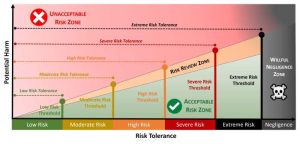
Navigating the realm of adjusting risk tolerance is crucial in achieving financial goals. This topic delves into the intricacies of risk assessment, management, and tolerance, offering insights to empower individuals in making informed investment decisions.
Understanding the nuances of risk tolerance adjustment is key to optimizing investment portfolios and adapting to changing financial landscapes.
Risk Assessment
Risk assessment is a crucial step in financial planning that involves evaluating potential risks and uncertainties that may impact an individual’s or organization’s financial goals. By identifying and analyzing these risks, one can make informed decisions to mitigate or manage them effectively.
Tools and Techniques for Risk Assessment
- Probability Analysis: This technique involves assessing the likelihood of different risk events occurring and their potential impact on financial goals.
- Sensitivity Analysis: By varying key variables in financial models, sensitivity analysis helps in understanding how changes in these variables can affect outcomes.
- Scenario Analysis: This tool involves creating different scenarios based on various risk factors to evaluate their impact on financial plans.
- Risk Tolerance Questionnaires: These questionnaires help individuals or organizations understand their comfort level with risk and determine their risk tolerance.
Importance of Risk Assessment
Risk assessment plays a vital role in determining risk tolerance, as it allows individuals and organizations to:
- Identify potential risks that may hinder the achievement of financial goals.
- Evaluate the impact of various risks on financial plans and make informed decisions.
- Develop strategies to mitigate or manage risks effectively to protect investments and assets.
- Align risk tolerance with investment objectives to create a balanced and tailored financial plan.
Risk Management
Risk management is a crucial aspect of investment strategies as it involves identifying, assessing, and prioritizing risks followed by coordinating and overseeing resources to minimize, control, or eliminate the impact of these risks. Effective risk management ensures that investors can protect their investments and achieve their financial goals in a more secure manner.
Common Strategies for Managing Investment Risks
- Diversification: One of the most common strategies used for managing investment risks is diversification. By spreading investments across different assets, industries, and geographic regions, investors can reduce the impact of a potential loss in any single investment.
- Asset Allocation: Asset allocation involves dividing investment portfolios among different asset classes such as stocks, bonds, and cash equivalents. This strategy helps in balancing risk and return based on the investor’s goals, risk tolerance, and time horizon.
- Stop-Loss Orders: Investors can use stop-loss orders to automatically sell a security when it reaches a predetermined price. This strategy helps in limiting potential losses and protecting profits.
- Hedging: Hedging involves using financial instruments like options and futures to offset the risk of adverse price movements in investments. This strategy can protect against losses in volatile markets.
Role of Diversification in Risk Management
Diversification plays a crucial role in risk management by spreading investments across a range of assets with different risk-return profiles. By diversifying, investors can reduce the overall risk of their portfolio without sacrificing potential returns. This strategy helps in minimizing the impact of individual investment losses and enhances the overall stability of the portfolio.
Risk Tolerance
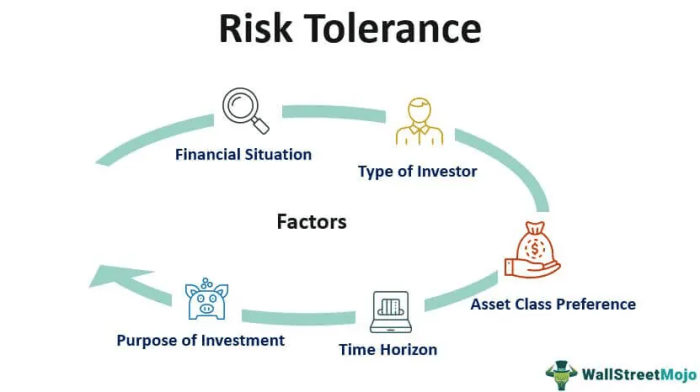
Risk tolerance refers to the degree of variability in investment returns that an individual is willing to withstand in their portfolio. It varies among individuals based on a combination of factors such as personality, financial situation, investment goals, and time horizon.
Factors Influencing Risk Tolerance
- Personality: Some individuals are naturally more risk-averse, while others are more comfortable taking risks.
- Financial Situation: Those with stable income and savings may have a higher risk tolerance compared to those with limited resources.
- Investment Goals: Long-term goals may allow for higher risk tolerance, while short-term goals may require a more conservative approach.
- Time Horizon: Individuals with a longer time horizon can afford to take more risks as they have more time to recover from any potential losses.
Relationship Between Risk Tolerance and Investment Decisions
- Higher risk tolerance typically leads to a higher allocation of assets in riskier investments such as stocks, whereas lower risk tolerance may result in a greater focus on more stable investments like bonds.
- Understanding one’s risk tolerance is crucial in creating a well-balanced investment portfolio that aligns with their financial goals and comfort level.
- It is important to periodically reassess risk tolerance as financial circumstances, goals, and market conditions change over time.
Adjusting Risk Tolerance
Adjusting risk tolerance is a crucial aspect of managing an investment portfolio effectively. There are several reasons why someone might need to adjust their risk tolerance over time. Changes in financial goals, life circumstances, market conditions, or personal risk appetite can all play a role in the need to reassess and modify risk tolerance levels.
Reasons for Adjusting Risk Tolerance
- Shift in Financial Goals: As individuals progress towards their financial objectives, they may need to adjust their risk tolerance to align with their changing goals.
- Life Events: Major life events such as marriage, starting a family, or retirement can impact one’s risk tolerance and necessitate adjustments.
- Market Conditions: Fluctuations in the market, economic conditions, or geopolitical events can influence risk perceptions and require a reevaluation of risk tolerance.
Strategies for Adjusting Risk Tolerance
- Regular Review: It is essential to regularly review your risk tolerance in line with your financial goals and make adjustments as needed.
- Gradual Shifts: Instead of making drastic changes, consider gradual shifts in risk tolerance to avoid sudden impacts on your portfolio.
- Professional Advice: Consult with a financial advisor to assess your risk tolerance and develop a suitable investment strategy based on your goals.
Implications of Adjusting Risk Tolerance on Investment Portfolios
- Asset Allocation: Adjusting risk tolerance can lead to changes in asset allocation within a portfolio to maintain the desired level of risk exposure.
- Return Expectations: Higher risk tolerance may result in potentially higher returns, while lower risk tolerance could mean more conservative growth expectations.
- Portfolio Performance: The performance of an investment portfolio may be impacted by adjustments in risk tolerance, affecting overall profitability and volatility.
In conclusion, adjusting risk tolerance is a dynamic process that requires careful consideration and strategic planning. By implementing the strategies Artikeld, individuals can effectively manage risks and enhance their financial well-being.
Expert Answers
Why would someone need to adjust their risk tolerance?
Adjusting risk tolerance may be necessary due to changes in financial goals, market conditions, or personal circumstances.
How do factors influence an individual’s risk tolerance?
Factors such as age, financial situation, investment knowledge, and risk appetite can all impact an individual’s risk tolerance.
What are the implications of adjusting risk tolerance on investment portfolios?
Adjusting risk tolerance can affect the composition of an investment portfolio, potentially leading to changes in asset allocation and risk exposure.