Delve into the realm of risk appetite in management where decisions shape the course of businesses, strategic planning is key, and organizational culture thrives.
Explore the nuances of risk appetite, risk assessment, risk tolerance, and risk management to navigate the complex landscape of modern businesses effectively.
Risk Appetite in Management
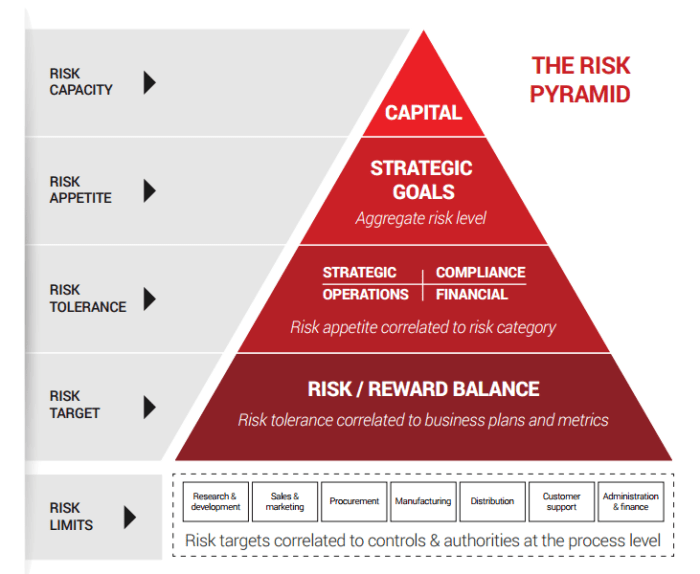
Risk appetite in management refers to the level of risk that an organization is willing to take in pursuit of its objectives. It is a crucial aspect of decision-making as it helps organizations identify and assess risks, make informed choices, and allocate resources effectively.
Importance of Understanding Risk Appetite
Understanding risk appetite is essential for effective decision-making in business for several reasons:
- It helps organizations set boundaries on the amount of risk they are willing to accept, preventing them from taking on excessive risks that could jeopardize their goals.
- By understanding risk appetite, organizations can align their strategic initiatives with their risk tolerance, ensuring that their actions are in line with their overall risk management framework.
- Organizations can use their risk appetite to guide resource allocation, prioritizing investments and initiatives that are within their risk tolerance levels.
Influence of Risk Appetite on Strategic Planning and Organizational Culture
Risk appetite has a significant impact on strategic planning and organizational culture:
- Strategic Planning: Risk appetite influences the types of strategies that organizations pursue. A higher risk appetite may lead to more aggressive strategies aimed at achieving rapid growth, while a lower risk appetite may result in more conservative approaches focused on stability and sustainability.
- Organizational Culture: Risk appetite shapes the culture of an organization by determining how risks are perceived, managed, and communicated. Organizations with a high risk appetite may encourage innovation, experimentation, and a tolerance for failure, while those with a low risk appetite may prioritize stability, predictability, and risk avoidance.
Risk Assessment
Risk assessment is a crucial process that helps organizations identify, evaluate, and prioritize potential risks that could impact their objectives. It involves analyzing the likelihood and impact of various risks to determine the level of exposure a company is willing to accept.
Differentiate between Risk Appetite and Risk Assessment
Risk appetite refers to the amount of risk an organization is willing to accept in pursuit of its strategic objectives, while risk assessment focuses on identifying and evaluating specific risks that could affect the organization. While risk appetite sets the boundary for risk-taking, risk assessment helps in understanding the nature and magnitude of risks faced by the organization.
Importance of Conducting Thorough Risk Assessments
Thorough risk assessments are essential in establishing risk appetite as they provide valuable insights into the potential risks that could impact the organization. By conducting comprehensive risk assessments, companies can identify vulnerabilities, prioritize risks based on their impact, and develop effective risk management strategies to mitigate threats.
Methods and Tools Used for Assessing Risks
- SWOT Analysis: A strategic planning tool that helps identify strengths, weaknesses, opportunities, and threats facing an organization.
- Scenario Analysis: Examines different scenarios to assess the impact of various risks on the organization.
- Risk Registers: Document that captures identified risks, their likelihood, potential impact, and mitigation strategies.
- Quantitative Risk Analysis: Uses numerical data to assess the probability and impact of risks.
Risk Tolerance
Risk tolerance refers to the level of risk that an organization or individual is willing to accept in pursuit of their objectives. It is closely related to risk appetite, which sets the overall boundaries for risk-taking activities. While risk appetite defines the amount of risk a company is willing to take on to achieve its goals, risk tolerance determines the specific threshold at which the organization will no longer accept additional risk.
Impact on Decision-Making Processes
Risk tolerance levels play a crucial role in the decision-making processes of an organization. When risk tolerance is low, decision-makers will be more cautious and conservative in their approach, opting for safer options even if they offer lower returns. On the other hand, high risk tolerance levels may lead to more aggressive decision-making, where the potential for higher returns outweighs the associated risks.
- Organizations with low risk tolerance levels may prioritize stability and security over growth opportunities.
- High risk tolerance levels can lead to innovation and exploration of new markets or business ventures.
- Decision-making processes are influenced by risk tolerance levels when evaluating strategic initiatives or investment opportunities.
Setting Risk Tolerance Thresholds
Organizations set risk tolerance thresholds through a combination of qualitative and quantitative methods. These thresholds are based on factors such as industry standards, regulatory requirements, financial capability, and the organization’s risk management strategy. Some common approaches to setting risk tolerance thresholds include:
- Establishing risk tolerance levels in alignment with the organization’s overall risk appetite statement.
- Conducting risk assessments to identify and quantify potential risks and determine acceptable levels of exposure.
- Regularly reviewing and adjusting risk tolerance thresholds based on changes in the business environment or risk landscape.
Risk Management
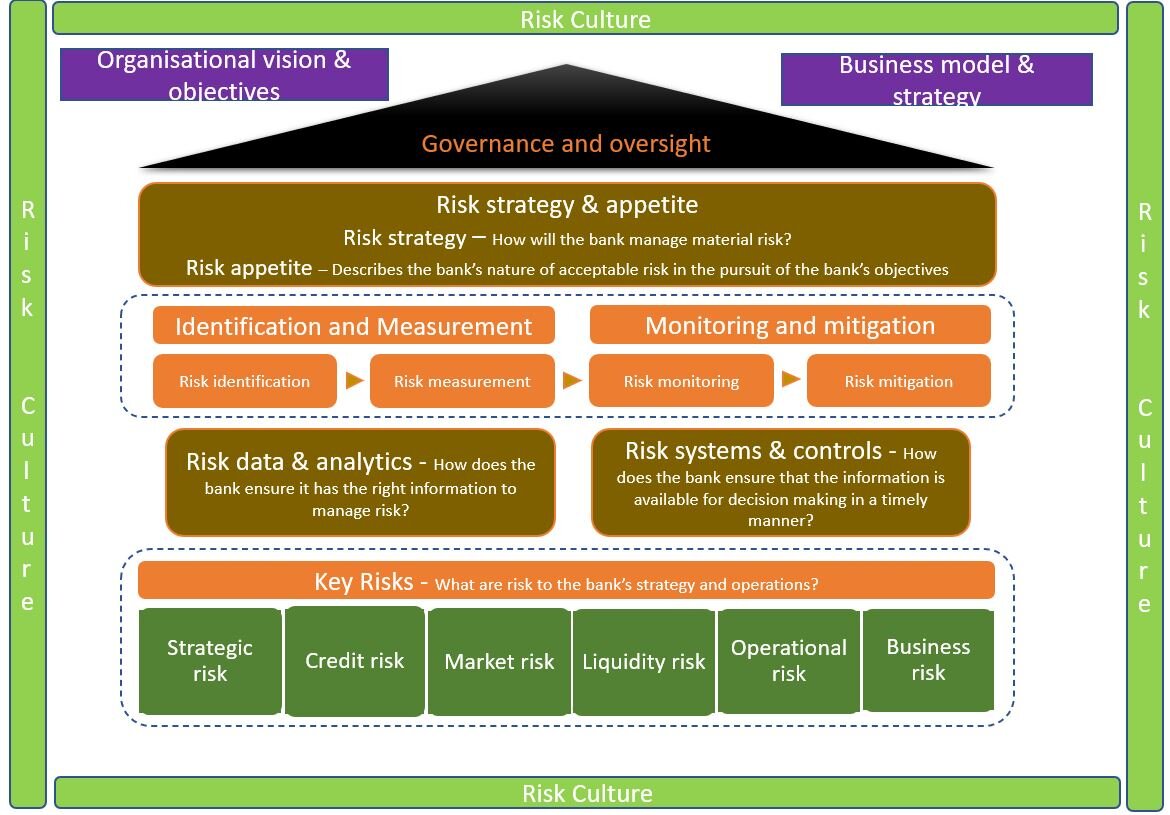
Risk management plays a crucial role in aligning with the organization’s risk appetite by identifying, assessing, and mitigating risks to ensure they are within acceptable levels. This process involves setting clear objectives, establishing risk tolerance levels, and implementing strategies to manage risks effectively.
Role of Risk Management in Aligning with Risk Appetite
Risk management helps organizations align with their risk appetite by evaluating potential risks, determining the level of risk that the organization is willing to accept, and developing risk management strategies to stay within those boundaries. By continuously monitoring and adjusting risk management practices, organizations can ensure they are operating within their established risk appetite.
Strategies for Managing Risks Effectively within Established Risk Appetite
- Regular risk assessments to identify and prioritize potential risks.
- Developing risk mitigation plans to address high-priority risks.
- Implementing internal controls and procedures to minimize risks.
- Establishing clear communication channels to report and address risks in a timely manner.
- Regular monitoring and reviewing of risk management practices to ensure they align with the organization’s risk appetite.
Examples of Successful Risk Management Practices Supporting Risk Appetite
- Proactive risk identification and assessment processes that help organizations anticipate and mitigate potential risks before they escalate.
- Adopting a risk-based approach to decision-making, where risks are considered alongside potential rewards to ensure alignment with risk appetite.
- Implementing robust risk management frameworks that provide clear guidelines for managing risks within acceptable levels.
- Regular training and development programs to enhance risk management capabilities across the organization.
- Engaging stakeholders at all levels to ensure a shared understanding of risk appetite and promote a risk-aware culture.
As we conclude our journey through risk appetite in management, remember that embracing risks strategically can lead to innovative solutions, sustainable growth, and a resilient organizational structure.
Clarifying Questions
How does risk appetite differ from risk tolerance?
Risk appetite refers to the amount of risk a company is willing to take, while risk tolerance is the level of risk it can actually handle.
Why is aligning risk management with risk appetite important?
Aligning risk management with risk appetite ensures that risks are managed in a way that is in line with the organization’s strategic objectives and overall goals.
What are some common tools used for risk assessment?
Common tools for risk assessment include SWOT analysis, scenario analysis, and Monte Carlo simulation.


