Exploring the intricate world of risk tolerance in finance unveils a crucial aspect of decision-making that shapes financial outcomes. Dive into the realm where assessments, management, and mitigation strategies converge to navigate the uncertainties of the financial landscape.
This topic delves into the core principles of risk tolerance, shedding light on its significance in guiding investment choices and optimizing financial strategies for individuals and organizations alike.
Risk Assessment
Risk assessment in finance involves evaluating the potential risks associated with an investment or financial decision. This process helps investors and financial professionals understand the level of risk involved and make informed choices to manage or mitigate these risks.
Key Components of Risk Assessment
- Identification of Risks: The first step in risk assessment is identifying all possible risks that could impact the financial decision. This includes market risks, credit risks, liquidity risks, and operational risks.
- Quantification of Risks: Once risks are identified, they need to be quantified or measured to understand their potential impact. This helps in assessing the likelihood of these risks occurring and their potential consequences.
- Risk Analysis: This involves analyzing the identified risks to determine their root causes, interdependencies, and overall impact on the financial decision. It helps in prioritizing risks based on their severity and likelihood.
- Risk Evaluation: After analyzing the risks, they need to be evaluated to determine whether the potential returns justify the level of risk involved. This step helps in making an informed decision based on risk-reward trade-offs.
Tools and Methods for Risk Assessment:
- Probability Analysis: Using statistical methods to assess the likelihood of different outcomes and risks associated with a financial decision.
- Sensitivity Analysis: Evaluating how changes in key variables or assumptions impact the overall risk and return profile of an investment.
- Scenario Analysis: Assessing how different scenarios or events could impact the financial decision and preparing to respond accordingly.
- Monte Carlo Simulation: Using computer algorithms to model different possible outcomes based on varying input parameters and assumptions.
Risk Management
Risk management in finance refers to the process of identifying, assessing, and controlling potential risks that could negatively impact an organization’s financial performance. It involves developing strategies to minimize the impact of these risks and ensure the long-term sustainability of the institution.
Importance of Risk Management Strategies for Financial Institutions
Effective risk management strategies are crucial for financial institutions to safeguard against potential losses, maintain financial stability, and protect the interests of stakeholders. By implementing risk management practices, institutions can identify and mitigate risks proactively, thereby reducing the likelihood of financial crises and ensuring compliance with regulatory requirements.
- Establishing comprehensive risk assessment frameworks to identify and evaluate various types of risks, including credit risk, market risk, operational risk, and liquidity risk.
- Implementing robust risk management policies and procedures to manage and monitor risks effectively on an ongoing basis.
- Utilizing advanced risk management tools and technologies to enhance risk monitoring and decision-making processes.
- Conducting stress tests and scenario analyses to assess the potential impact of adverse events on the institution’s financial position and performance.
Examples of Successful Risk Management Practices in the Financial Industry
In the financial industry, several institutions have implemented successful risk management practices that have helped them navigate challenging market conditions and regulatory requirements.
- JP Morgan Chase: The bank is known for its sophisticated risk management framework, which includes advanced risk analytics and stress testing capabilities to assess and mitigate various risks.
- Goldman Sachs: The firm has a robust risk management culture that emphasizes risk awareness, transparency, and accountability at all levels of the organization.
- BlackRock: The asset management company employs a comprehensive risk management approach that integrates quantitative risk models, scenario analyses, and stress testing to manage investment risks effectively.
Risk Tolerance
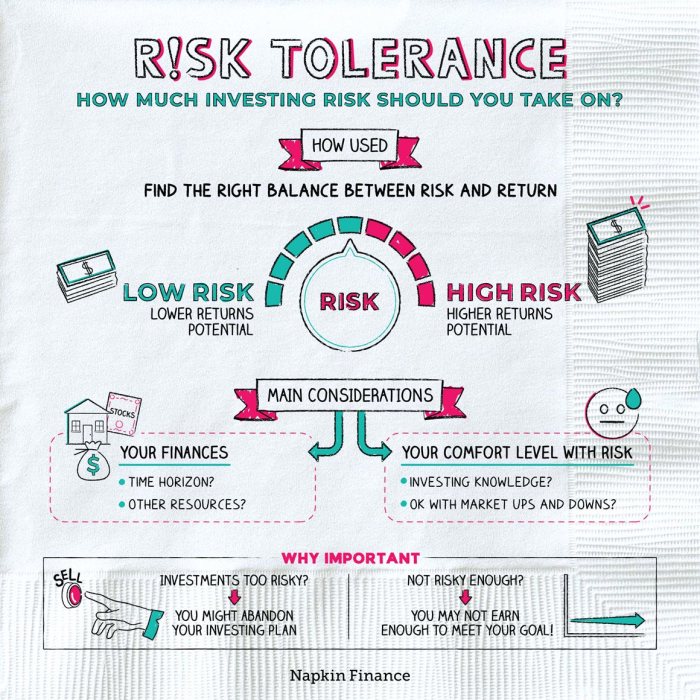
Risk tolerance in finance refers to an individual’s or organization’s willingness to take on risk in their investment decisions. It is a crucial factor that determines the level of risk one is comfortable with and can handle in pursuit of potential returns.
Factors Influencing Risk Tolerance
- Time Horizon: The length of time an individual or organization plans to hold an investment can influence their risk tolerance. Longer time horizons may allow for a higher risk tolerance.
- Financial Goals: The specific financial goals and objectives of an individual or organization can impact their risk tolerance. Those with ambitious goals may be more willing to take on higher risks.
- Financial Situation: The current financial situation, including income, savings, and overall wealth, can determine risk tolerance. Those with more financial stability may be more open to taking risks.
- Psychological Factors: Emotions, beliefs, and past experiences can all play a role in influencing risk tolerance. Some individuals may be naturally more risk-averse or risk-seeking based on their psychological makeup.
High-Risk Tolerance vs. Low-Risk Tolerance Investment Strategies
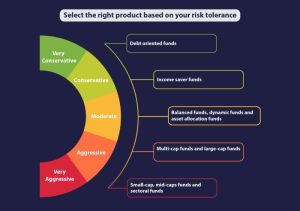
- High-Risk Tolerance: Investors with high-risk tolerance are comfortable with taking on significant risks in exchange for the potential of higher returns. They may invest in volatile assets such as stocks, options, or cryptocurrencies.
- Low-Risk Tolerance: On the other hand, investors with low-risk tolerance prefer more stable and conservative investments to protect their capital. They may opt for bonds, savings accounts, or other low-risk assets.
- Impact on Portfolio Diversification: High-risk tolerance investors may have more concentrated portfolios with a focus on high-growth assets, while low-risk tolerance investors may prioritize diversification to mitigate risk.
- Long-Term Performance: High-risk tolerance strategies can lead to higher volatility and potential losses in the short term, but may offer greater returns over the long term. Low-risk tolerance strategies prioritize stability and capital preservation, which may result in lower returns.
Risk Mitigation
Risk mitigation is a crucial aspect of managing financial portfolios to minimize potential losses and protect investments. By implementing various strategies to mitigate risks, investors can safeguard their assets and improve the overall performance of their portfolios.
Hedging Techniques
Hedging is a common risk management strategy used to offset potential losses by taking an opposing position in a related asset. One example of hedging is using options contracts to protect against adverse price movements. For instance, an investor holding a stock position may purchase put options to limit potential losses if the stock price declines. This allows them to mitigate downside risk while still maintaining exposure to potential gains.Another hedging technique is diversifying investments across different asset classes, industries, and geographical regions.
By spreading investments across a variety of assets, investors can reduce the impact of negative events affecting a single investment. This diversification helps lower overall risk exposure and can enhance portfolio stability during turbulent market conditions.
Role of Diversification
Diversification plays a critical role in reducing risk exposure in investments by spreading capital across various assets with different risk profiles. For example, an investor with a concentrated portfolio heavily weighted in one industry may face significant risks if that sector experiences a downturn. However, by diversifying holdings across multiple sectors, the investor can minimize the impact of negative events on the overall portfolio performance.In addition to sector diversification, investors can also diversify across asset classes such as stocks, bonds, real estate, and commodities.
Each asset class has its own risk-return profile, and combining them in a portfolio can help mitigate risks associated with any single asset class. By maintaining a well-diversified portfolio, investors can achieve a balance between risk and return that aligns with their financial goals and risk tolerance.
In conclusion, mastering the art of risk tolerance equips individuals and institutions with the foresight and resilience needed to thrive in the dynamic realm of finance. By understanding, managing, and mitigating risks effectively, one can pave the way for sustainable growth and success in the ever-evolving financial landscape.
General Inquiries
What factors influence an individual’s risk tolerance?
Factors such as financial goals, time horizon, and personal risk preferences can significantly impact an individual’s risk tolerance in finance.
How does diversification help in reducing overall risk exposure in investments?
Diversification involves spreading investments across different asset classes to minimize the impact of a single investment’s performance on the overall portfolio, thus reducing risk exposure.
What are some common hedging techniques used for mitigating financial risks?
Hedging techniques like options, futures contracts, and derivatives are commonly employed to offset potential losses and manage risks in financial portfolios.